Table of Content
Talk to your doctor and local public health officials to determine whether you should receive rabies shots. The rabies infection is a single-stranded RNA infection of the genus Lyssavirus, in the family Rhabdoviridae. It is transferred through the exchange of blood or saliva from an infected animal, and extremely rarely through breathing in the leaving gasses from disintegrating animal carcasses. Contracting the virus in this method is unusual but it can take place, frequently in caverns with large populations of bats, where the infection is widespread. The virus is present in the saliva of the infected animal only for a limited time. There are isolated and poorly documented reports of both dogs and people surviving.

A vaccine is the biological substance that improves immunity against specific diseases, so a good quality vaccine is necessary for the successful treatment of your dog. Your local veterinarian is the best person to refer you to the best suppliers of rabies vaccines. In fact, as you'll likely have an at-home vet visit you can simply have the veterinarian safely transport the proper vaccine to your home. Vaccination promotes the production of antibodies but is only effective if given before the virus enters the nervous system.
How much does it cost to treat rabies in dogs?
If a wild animal bites your dog, a booster of the rabies vaccination may be given to lessen the chance that your dog will contract the virus. The cost of treating rabies in dogs can vary depending on the stage of the disease. Early diagnosis and treatment are critical to preventing the spread of the disease. Treatment may include quarantine, observation, and euthanasia. Vaccination is the best way to prevent rabies in dogs and is typically given as a series of two shots, with the second shot given one year after the first.

Your veterinarian will take a history and perform a physical examination. Your veterinarian may also recommend blood tests or a brain biopsy to confirm the diagnosis. When caring for sick dogs at home, keeping a close eye on their progress and ensuring they are getting better is essential. A visit to the veterinarian is in order if your dog’s condition is neither improving nor stabilizing. Above all else, it is essential to be patient and gentle when caring for a sick dog. With the proper care and attention, your pup can fully recover and return to its usual self in no time.
Are there any side effects of Rabies Vaccine on dogs?
There also have been reports of rabies being transmitted by infected saliva that has entered the air, mostly seen in bat caves. A serious reaction will occur within 10 to 30 minutes of the injection. The dog may collapse and go into shock and will have pale gums, a racing heart, and may lose consciousness.

You can also purchase the vaccine from online sites, but they may be of questionable quality. As certain temperatures can make the vaccine less effective, delivery and storage is tricky. If you do purchase a vaccine online, consult your vet to make sure the supplier is respected in the veterinary community and follow all instructions on the box for safe storage. If your dog is bitten by another animal and you’re worried about rabies, pay close attention to their behavior and call your vet immediately if you have reason to suspect rabies. She received her Doctor of Veterinary Medicine from the University of Minnesota in 1998. Rabies will affect the dog’s muscles and motor function, so you may see it staggering around the cage or having trouble standing.
Avoid Stress
Same-Day Online Vet Appointments Enjoy a 30-minute veterinary consultation from the comfort of home, starting at $55. First, insert the needle of a clean syringe into the vial of liquid. Draw out the necessary amount and then remove the syringe from the bottle. Make sure all liquid is drained from the syringe before you pull the needle out. Make sure there are not clumps and there is no powder resting on the bottom of the vial. Brain tumor, breast cancer, colon cancer, congenital heart disease, heart arrhythmia.
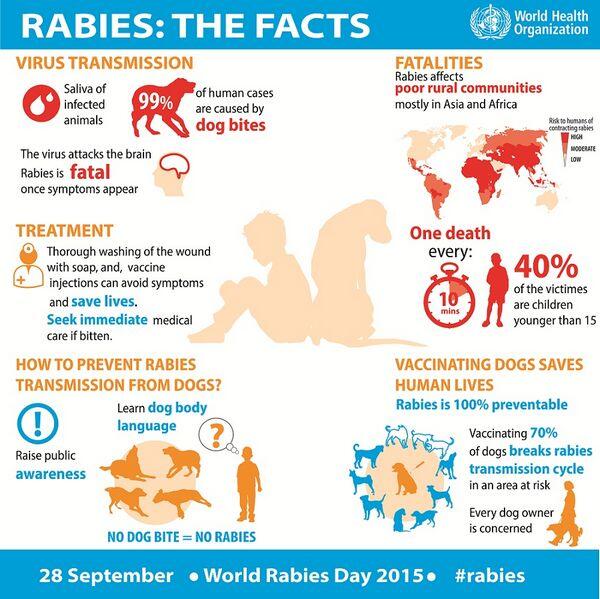
The best way to protect your child from contracting rabies is to make sure they are up to date on their vaccinations. Vaccinating your pet dogs and cats is also important, as it can help prevent the spread of the disease. If you live in an area where rabies is common, it is also a good idea to avoid contact with wild animals, as they may be infected with the virus.
Rabies in Dogs: Symptoms and Treatments
Your veterinarian will advise you on the appropriate revaccination intervals and can assist you in obtaining any necessary licenses for your pet. In addition to vaccination, you can help prevent the spread of the rabies virus by avoiding contact with wild animals. If you see an animal acting strangely, do not approach it. The clinical signs of the rabies virus can vary depending on the stage of the disease. In the early stages, symptoms may be similar to those of other illnesses, such as the flu. Symptoms may include fever, headache, muscle aches, and loss of appetite.
Once rabies shows symptoms, it can’t be treated, so it’s important to call your vet as soon as your dog has been bitten, instead of waiting to see. The vet will likely recommend euthanizing the dog if it's unvaccinated and came in contact with an animal suspected of having rabies. The only diagnostic test for rabies involves organ removal and needs to be performed on a deceased animal. A bacterial or yeast ear infection is the most commonly diagnosed health problem that causes excessive head shaking in dogs. Keep in mind that infections can occur deep within a dog's ear, so an infection may exist even if there are no visible signs of it. Ear infections are itchy, cause a lot of discharge, and cause inflammation, all of which cause dogs to shake their heads.
Make sure all liquid is drained from the syringe before you pull the needle out.Shake the vial well. This inflammatory infection also has zoonotic qualities and can for that reason be sent to people. Veterinarian-approved information to keep your pet healthy and happy. Dogs are treated with deworming medications, usually administered twice – to catch the adult worms and then two-to-four weeks later to catch those that are newly developed. Remember that you should not try to touch the dog, as you could get bitten.
The greatest method to prevent your dog from contracting rabies is to have them vaccinated. The vaccine is very effective and it’s the best way to ensure your dog doesn’t get the disease. If you’re not sure if your dog is up to date on their vaccinations, talk to your veterinarian. They can help you determine if your dog is at risk and recommend the best course of action. However, know when medical care might be needed in the event of a serious reaction.
It’s usually more prevalent at the beginning stage, before the dog starts to experience symptoms that make it hard for it to lick the wound. If your dog has a condition that increases their risk of getting pneumonia, follow the recommendations of your vet to prevent your dog from getting secondary pneumonia. It is essential to follow your vet’s recommendations for treatment and complete the medications prescribed, even if your dog seems to have recovered already. Also, don’t forget your dog’s follow-up checkup/s as recommended by your vet. Although rarer than the other types of pneumonia, a dog may also develop pneumonia when they get a fungal infection in their lungs.




No comments:
Post a Comment